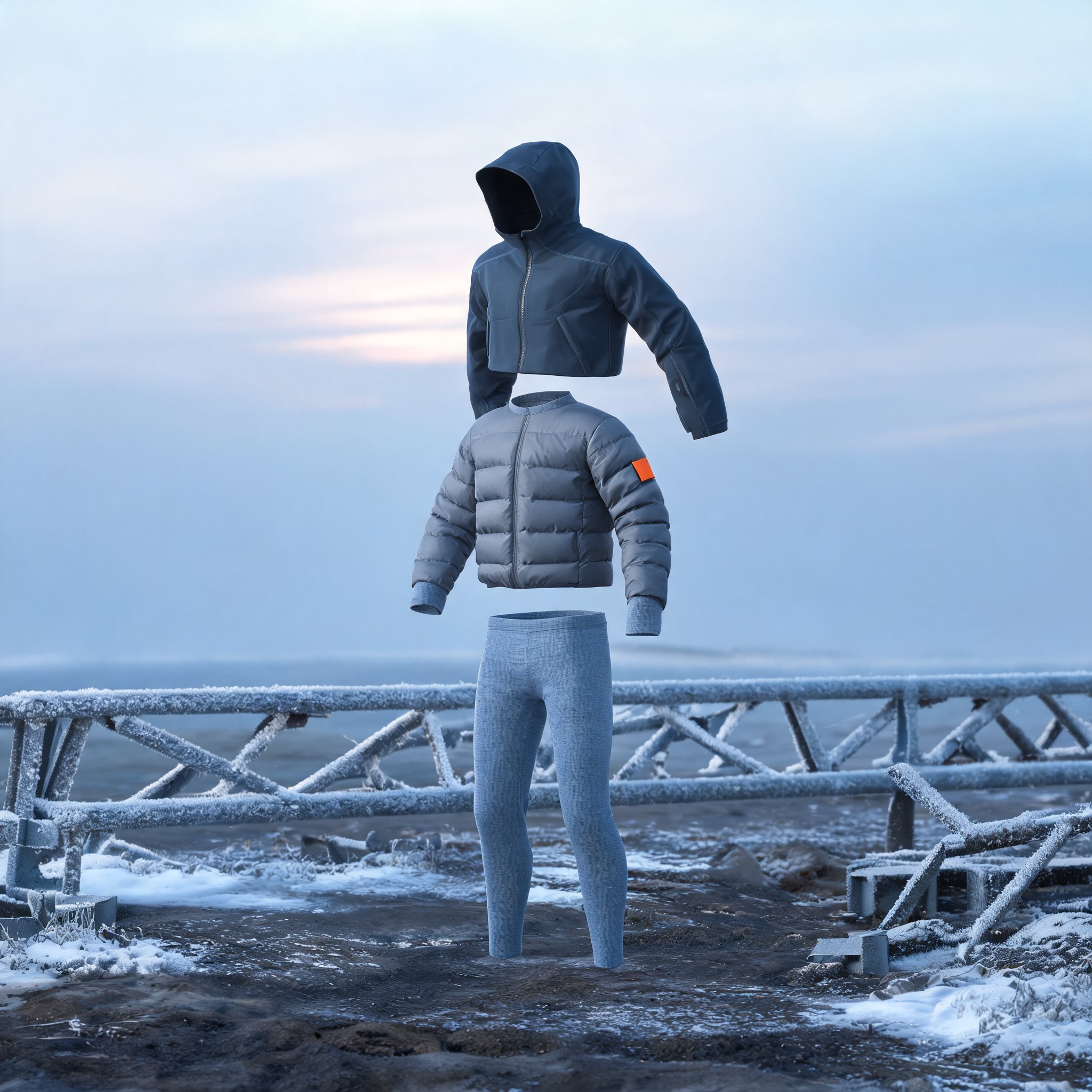
Outdoor work in winter raises the risk for employees when personal protective equipment (PPE) is selected or combined incorrectly, according to workwear supplier CWS Workwear International GmbH, based in Dreieich, Germany. The company has published guidance identifying five typical protection gaps in cold-weather protective clothing.
Shorter daylight hours, wet conditions and frost change the hazard profile at many outdoor workplaces, yet the protective equipment in use is often not adjusted to match, the company notes. The result can be a gap between the protection assumed and the protection actually worn.
According to the guidance, the main problem is not usually a single defective garment but the way clothing layers interact. Individual items may carry valid certification, but the combination as worn may not fulfil the requirements of the relevant standards. Certification of a jacket or a pair of trousers therefore does not automatically extend to the layered system assembled on site.
Why the combination matters
Where several layers are worn together, the properties of the assembled set can differ from those of each tested component, the guidance notes. It identifies the interaction between layers as the main source of the five protection gaps described.
The practical implication for employers is that checking each item's certificate is not sufficient on its own: the outfit as actually worn has to be assessed against the requirements of the relevant standards. CWS Workwear's guidance places winter protection at the level of the assembled combination rather than the individual garment.