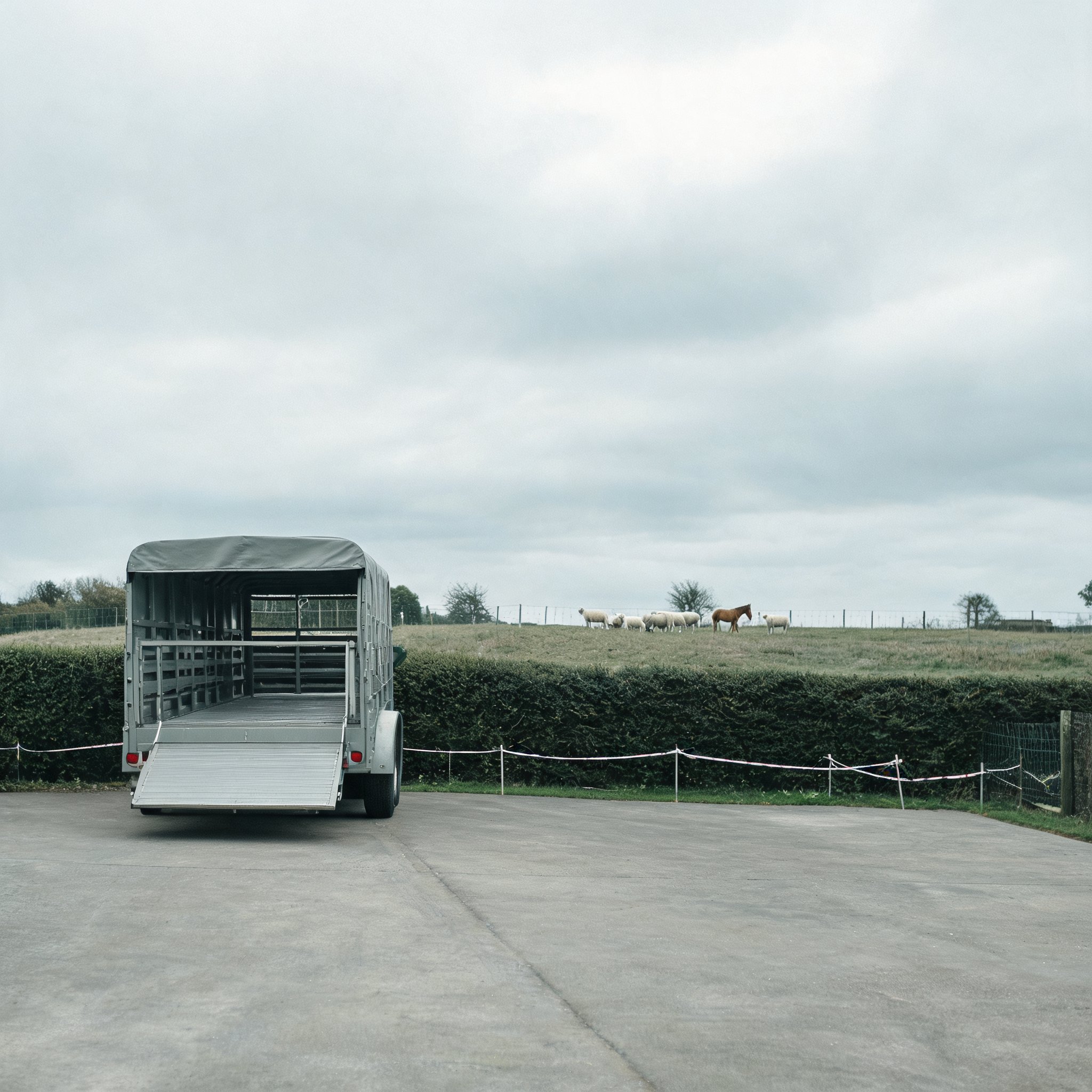
Knackeries affiliated with the Animal Collectors' Association (ACA) have stopped collecting fallen sheep and horses, and will no longer notify the Department of Agriculture, Food and the Marine (DAFM) of on-farm animal deaths, as a dispute over the Fallen Animal Scheme enters a second week.
The ACA said the withdrawal follows the scheme's expiry on September 30, and the department's response to a business case it submitted before that deadline.
Since Monday, October 19, fallen sheep collected by ACA-affiliated operators have not been prepared and presented to DAFM vets for sampling for scrapie, the association said. The latest measures also include fallen horses and the notification of on-farm deaths.
Business case and department response
The ACA said it had submitted a 'comprehensive, sustainable business case' to DAFM ahead of the scheme's expiry. According to the association, the proposal set out mechanisms for a fair and workable scheme and included options to limit increases in the rates charged to farmers.
Instead of engaging constructively with those solutions, the ACA said, DAFM had repeated a historic pattern of waiting for schemes to fully expire, forcing knackery operators into an escalating reduction of vital services.
The association said it remains fully committed to providing an environmental and biosecurity service to Irish agriculture. It called on DAFM to return immediately with a meaningful proposal that protects the infrastructure of the collection system without placing any additional burden on farmers.
A department spokesperson said the Fallen Animal Scheme is an important element of Ireland's livestock infrastructure, through which department funding supports farmer access to fallen animal collections and protects animal health. The spokesperson said the department is continuing to engage on this matter and remains open and available for constructive dialogue and negotiations.
Farm group warning on charges
The Irish Creamery Milk Suppliers' Association (ICMSA) said any solution to the dispute 'better not involve higher charges on farmers.' Eamon Carroll, ICMSA deputy president, insisted that the solution must come from within the department's own funds.
The dispute centres on the arrangements that should apply after the scheme's expiry. The ACA has argued that its proposal offered a route to a fair and workable scheme while limiting increases in the rates charged to farmers; DAFM has stressed the scheme's role in supporting collections and protecting animal health.
ICMSA's intervention adds a farm-group dimension to the dispute. The association said any resolution should not push additional costs onto farmers, and Carroll argued that the funding should come from the department rather than from charges. The ACA has separately said its aim is to protect the collection system's infrastructure without placing any additional burden on farmers.
The standoff leaves the collection and notification arrangements for fallen sheep and horses unresolved, while the department says it remains available for negotiations. The ACA's action also affects the presenting of collected fallen sheep to DAFM vets for scrapie sampling, a service that had been carried out before the dispute.